Muffled hearing can affect every aspect of your life, leaving you feeling confused and isolated from the world around you. Many people immediately worry they’re experiencing irreversible hearing loss when, in reality, the culprit may be something much more basic: earwax buildup.
Understanding the difference between cerumen blockage vs. auditory loss can help you determine when a simple solution is possible and when it’s time to request a hearing assessment. In the event you are experiencing dull hearing, remain calm. A professional assessment will provide the definitive answer, but the following resource details the primary differences between blockage-based issues and lasting loss.
What Earwax Buildup Feels Like
Cerumen (wax) is a natural, protective substance that helps trap dust and debris and keeps the ear canal healthy. The difficulty starts when this material accumulates to the point of a tangible blockage.
Signs of a blockage often feature:
- A significant decrease in hearing level
- A feeling of fullness or blockage in the ear
- Localized sensitivity or focused aching in the ear
- Constant humming or ringing sounds
- Hearing that clears briefly after opening the jaw or chewing
Because obstructions are physical, they commonly impact just one ear at a point rather than both uniformly. Luckily, once excess wax is professionally removed, hearing often reverts to normal right away.
Recognizing Permanent Impairment Symptoms
Auditory decline, particularly presbycusis or trauma-based hearing loss, has a tendency to progress slowly and doesn’t improve when the canal is cleaned.
Symptoms of actual auditory impairment may feature:
- Issues with word clarity in busy or noisy locations
- Constantly requesting people to restate themselves
- Turning up the TV or phone volume higher than others prefer
- Difficulty detecting high-frequency sounds
- A balanced decrease in auditory function in both sides
Importantly, hearing impairment is an intelligibility issue that rarely includes the perception of physical fullness found with wax.
Key Differences at a Glance
By looking at the timing and specific symptoms, you can often identify which condition is affecting you:
- Development: Wax-related muffling can be quick, but permanent loss takes years
- Permanence: Obstructions are a quick fix, while nerve loss requires ongoing care
- Sensations: Tactile “plugging” leads to wax, while the struggle to differentiate sounds points to loss
- Asymmetry: Cerumen often impacts one ear; auditory impairment commonly impacts both
Why Clinical Intervention is Crucial
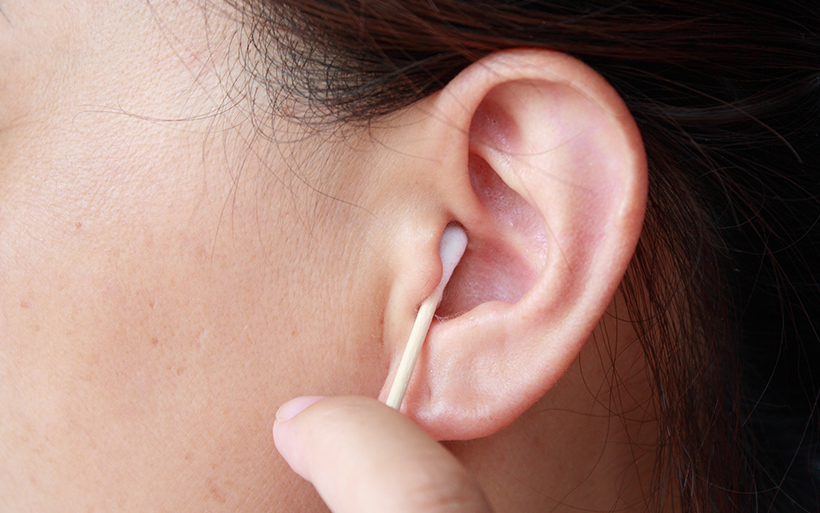
Many people make the error of trying to extract a suspected blockage manually using swabs or home items. Unfortunately, these can push wax further in and worsen the problem.
Medical research shows that DIY removal often leads to accidental damage or increasingly complex impactions.
Similarly, ignoring initial auditory decline can postpone treatment that helps in maintaining communication, security, and well-being.
The Critical Nature of a Clinical Ear Exam
A brief professional exam is the primary way to verify if wax is truly the cause of your muffled auditory issues.
If cerumen is present, clinical removal often clears signs immediately.
If no wax is detected, a diagnostic hearing test will be used to identify the nature and degree of any underlying loss.
The National Institute on Deafness and Other Communication Disorders (NIDCD) recommends immediate evaluation anytime shifts in hearing interfere with your daily life.
Final Points on Cerumen and Hearing Health
Muffled hearing doesn’t always indicate permanent trauma.
In numerous instances, cerumen accumulation is the source, and it’s highly manageable.
Obtaining professional attention ensures you find the specific source and the right solution for your hearing requirements.
In the end, an audiology consultation is the only certain way to differentiate between a fleeting obstruction and a permanent shift.
Finding the answer soon safeguards your health and provides you with the peace of mind you deserve.
If your auditory sense feels diminished, don’t guess. A quick exam can make all the difference, so contact our practice of specialists today.