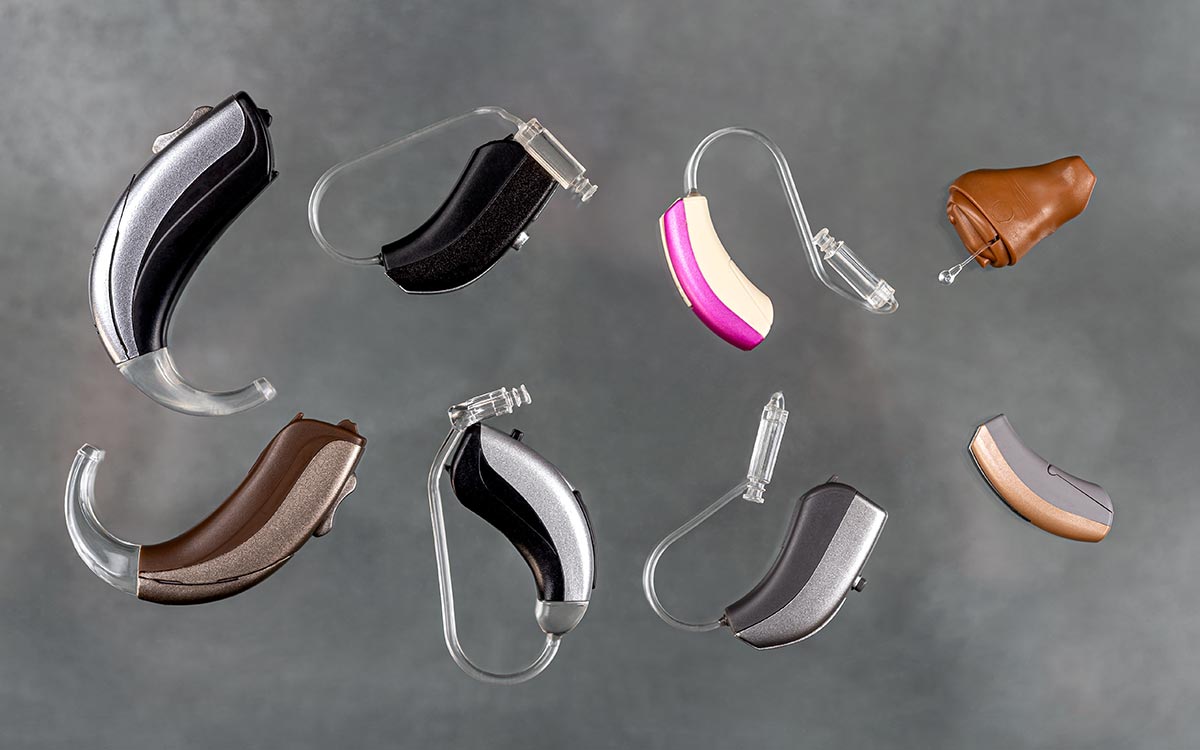
With so many options in terms of size, style, and technology, the process of picking a hearing aid can feel quite intense. But no matter your needs, there’s a hearing solution for every lifestyle, preference, and degree of hearing loss. It’s all about learning which model fits perfectly with your specific requirements.
Gaining a clear picture of common hearing aid categories will empower you to make an educated decision for your hearing health. This guide explores the most common styles and highlights the specific advantages each one offers.
ITC (In-the-Canal) Hearing Systems
Basic Overview:
These hearing aids are placed partially inside the canal, making them visible only slightly from the outside.
Why people choose them:
- Less noticeable than conventional full-size models
- Individualized shaping ensures long-term wearing comfort
- A useful option for those with moderate hearing needs
Because they provide both discretion and helpful features, ITC models are an excellent pick for those new to hearing technology.
Ultra-Discreet Invisible-in-Canal (IIC) Devices
How they work:
IIC models are the most miniature custom-fitted hearing solutions you can choose. They are placed deep within the canal to remain hidden from view.
Primary Motivations:
- The best choice for patients prioritizing appearance
- Strategic placement enables an incredibly organic listening experience
- A feather-light build makes them easy to wear all day
The small form size of IIC models renders them perfect for mild hearing loss and anyone who values an invisible hearing solution.
Understanding In-the-Ear (ITE) Devices
Product Information:
ITE devices are constructed to stay in the outer ear area, offering two different shell sizes based on your anatomy. These are custom-fabricated for an exact match based on your ear’s anatomy.
The Advantages:
- Larger size allows for more features and longer battery life
- Easier to manage for those with dexterity challenges
- A versatile choice that can address even significant levels of hearing loss
Users often select these models for their straightforward, single-piece construction that avoids any external wiring or tubing.
Traditional BTE Units
Summary:
These devices sit on the outer portion of the ear’s anatomy. Audio travels through a specialized tubing or custom-fit mold into the ear opening.
Reasons for Choosing:
- Known for being exceptionally adaptable and robust
- Provides an extensive selection of amplification suitable for nearly any user
- Provide space for advanced features and rechargeable batteries
The combination of user-friendliness and powerful sound makes BTE aids an excellent contender for many patients.
RIC (Receiver-in-Canal) Summary
Component Layout:
In a modern model, the speaker is separated from the main casing and placed inside the canal via a thin wire.
Market Interest:
- Known for creating some of the most realistic audio in the industry
- Small, feather-light, and comfortable
- Great for many levels of hearing loss
The combination of style and high-end functionality makes RIC models a top choice in the modern market.
Extended-Wear Hearing Aids
Operational Info:
Extended-wear models are semi-permanent devices that an expert fits into the ear for a duration of several weeks.
Why individuals select them:
- Provides an effortless experience with no daily maintenance required
- Nearly hidden
- You can move about your entire life—including sports and rest—while wearing them
Extended-wear devices are ideal for patients who want an effortless approach.
Bluetooth-Enabled Hearing Aids
What they are:
Connectivity-focused hearing aids that use radio to integrate with your digital life.
Why go wireless:
- Enjoy immediate audio streaming from your phone or TV right into your ears
- Gives you the power to adjust your volume and programs via an electronic app
- Enhances daily life by making technology interaction seamless and clear
Most contemporary RIC, BTE, and ITC hearing aids currently provide a Bluetooth-enabled version.
Middle-Ear Implants
What they are:
A surgically implanted device that physically vibrates the middle ear bones to amplify sound.
Why implants are used:
- Serves as an essential substitute for those who find no success with traditional amplification
- This is a specialized alternative for those with chronic ear canal sensitivity.
Candidates for middle-ear implants should undergo a comprehensive evaluation by a hearing specialist.
Selecting Your Ideal Hearing Solution
There is no one single “best” hearing aid; rather, there is an optimal one for you, determined by your medical needs and personal comfort. A hearing care professional can guide you through your options, answer questions, and help you experience how different devices look and feel.
Start moving toward a world of better sound by arranging an appointment with a hearing specialist. This simple action is the basis for improved hearing and better connections with those around you.
Sources:
https://www.mayoclinic.org/diseases-conditions/hearing-loss/in-depth/hearing-aids/art-
20044116
https://www.hearinglife.com/hearing-aids/types
https://www.nidcd.nih.gov/health/hearing-aids